























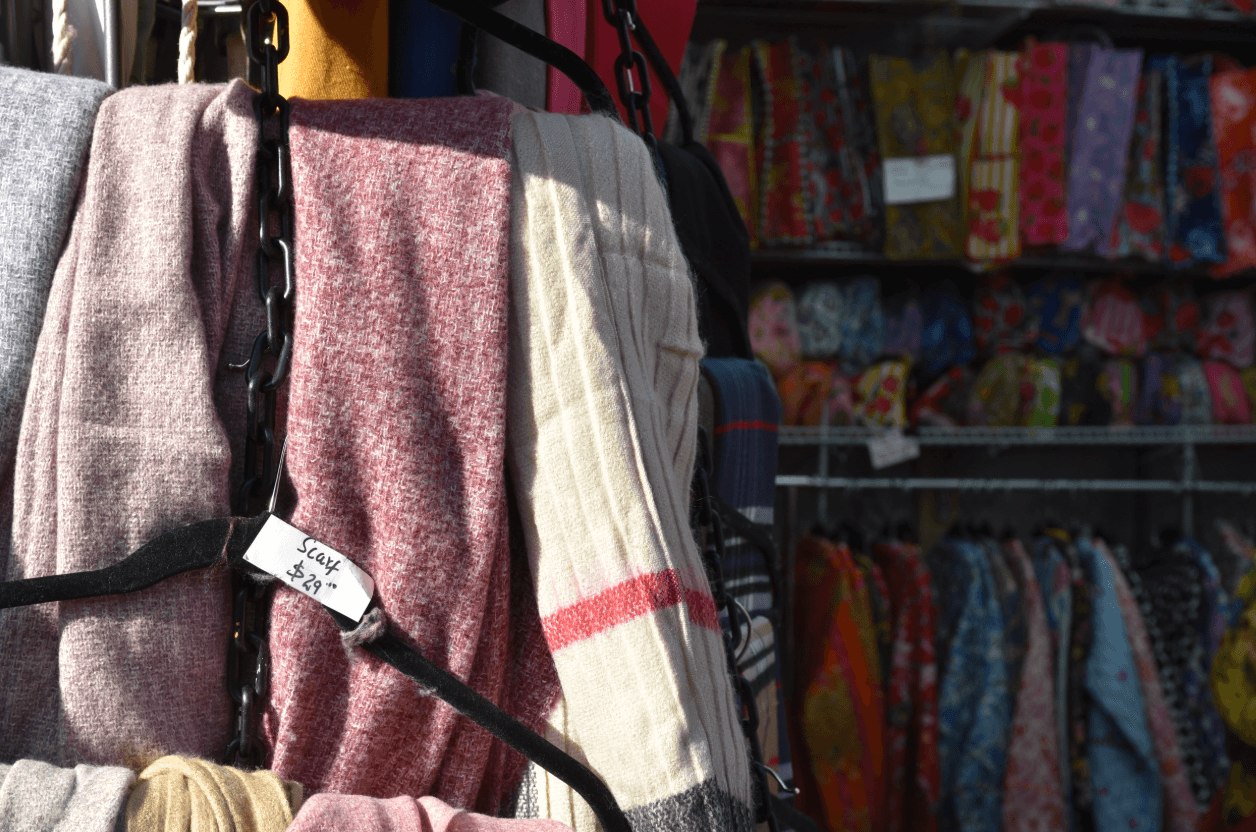
December marks the start of the holiday season in lots of cultures and religions. For many, this means time off from school or work, family gatherings with your annoying cousins and hearing Christmas classics in the mall. But for corporations, it marks a season of profits and sales. No matter the current events, gift-giving will always be a part of holiday culture. That doesn’t make it immune to change. With the current economic climate in America, the average consumer has been left wondering if gift giving is getting too expensive.
While economics impacts people of different classes in different ways, a trend can always be observed; as prices go up, gift giving becomes less and less affordable.
This shift in affordability cannot be pinned down to one sole cause, but with the economy steadily declining, there are recent trends and decisions that can explain what caused it.
The first and most obvious reason is inflation. As the value of goods and services increases to beyond where a consumer can keep up, they will feel the heavy impacts of it. This holiday season, inflation has reached levels anticipated by few explaining the difficulty finding affordable gifts this season.
Direct economic policies, particularly implemented by the Trump administration, can also explain the dilemma consumers face today. When you import goods at a higher value, they are bound to make the number on your price tag increase. Even if used for its intended purpose of increasing production domestically, it would still inevitably lead to higher price tags as our labor laws encourage higher wages to workers, and in turn, higher prices against consumers.
While the consumer inarguably has the short end of the stick here, corporations are not entirely free from worry as well. Higher prices nationwide leads to insecurity surrounding sales, as less and less people are willing to spend money on anything other than the bare necessities. And as previously mentioned, Trump tariffs lead to higher imported prices, leading to higher manufacturing costs and inherently hurting businesses.
Despite the circumstances, consumers do not need to give in to despair. Because there is not a single route to gift giving, there will always be alternatives in markets.
Hand-made or hand-drawn gifts are a cheaper alternative to store-bought gifts, making them a go-to choice for many shoppers looking to save a dime. Alongside this, they can carry a sentimental value to people who get the gifts. They can show that you put time and effort into a gift rather than simply checking off their wishlist, strengthening relationships between the recipient and the gift-giver.
It is also not a bad idea to gift reused items to people. It might be something you got a couple months prior that you know they would enjoy or an article of clothing that you never seem to wear anymore. While it does come with a downside–the possibility of them seeing the gift as lesser if they realize it’s regifted–it is extremely cost-effective and bypasses the entire issue presented by the contemporary economy.
While price tags in your local gift shop can be intimidating, it is important to understand the circumstances that led them to be so high. Economies are controlled by consumers and their decisions, even if it feels as though everything is in the hands of the higher-ups. And there will always be alternatives to the dilemmas no matter who controls the economy; even with something as minuscule as gift-giving.