






















Every spring, as the weather grows warmer and the school year winds down, students start dreaming about sleeping in, hanging out with friends, traveling, and enjoying a well-earned break in the summer sun. But there is an option that many students should consider adding to their summer schedule: getting ahead on required classes. In Virginia, students are offered many courses, but the two most popular tend to be Health and P.E. and Economics and Personal Finance. Taking a summer class for new credit is one of the best ways to knock out courses in a quick timeframe and is a valuable opportunity that all students should take advantage of.
One of the best reasons to take these required classes over the summer is simple: you get more time and flexibility. These classes are graduation requirements, but they don’t always fit neatly into a busy schedule packed with Advanced Placement (AP) and Dual Enrollment (DE) classes, electives, sports, and extracurriculars.
Taking these classes over the summer can open up room for electives that you actually want to take during the year, a Flex period to get more work done and an overall more manageable workload.
If you’re worried about struggling with the class itself, summer courses often move quickly, but they do tend to be more focused. Without six other classes and other school activities competing for your attention, it is significantly easier to stay on top of your assignments and actually comprehend the material. If you are a student who finds that they learn better when they can devote their energy to just one subject at a time, then taking a summer class might be for you.
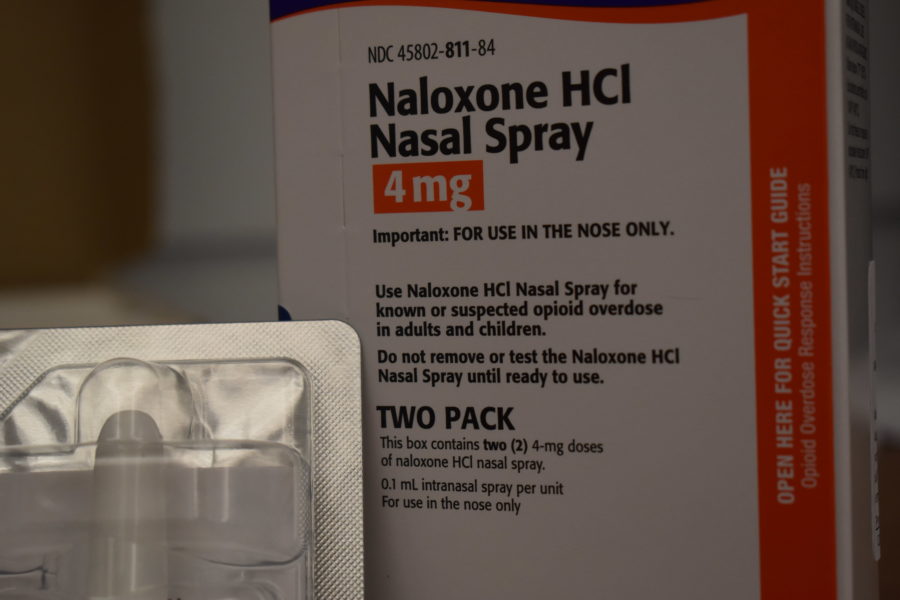
However, there are a few drawbacks to taking new classes over the summer. Most importantly, summer courses are not free; each one has its own fee, depending on the class. For Health and P.E., the Virtual Virginia program even requires students to purchase their own CPR equipment (specifically from the Red Cross), which adds to the expense as that is the program offered to our students.
The time commitment can also be quite difficult to manage on top of other summer commitments, with a rule in place that you must submit an assignment at least every three days, or you will be removed from the course. Vacations, camps, and jobs can conflict with course schedules. Once you commit, you have to stay on track, and missing even a few days can put you behind. The workload can be intense, but if you manage it and allocate your time wisely, you will be able to get the credit while still enjoying your summer break.
Despite the costs and the time commitment, taking summer courses is still a smart move for many students. The long-term reward of more freedom during the school year, less stress, and the ability to take classes and activities you actually care about truly outweighs the short-term intensity. If spending a few weeks of your summer on an inconvenient class required for graduation means you can get to take a schedule that works better for you, then that is a trade worth making.