






















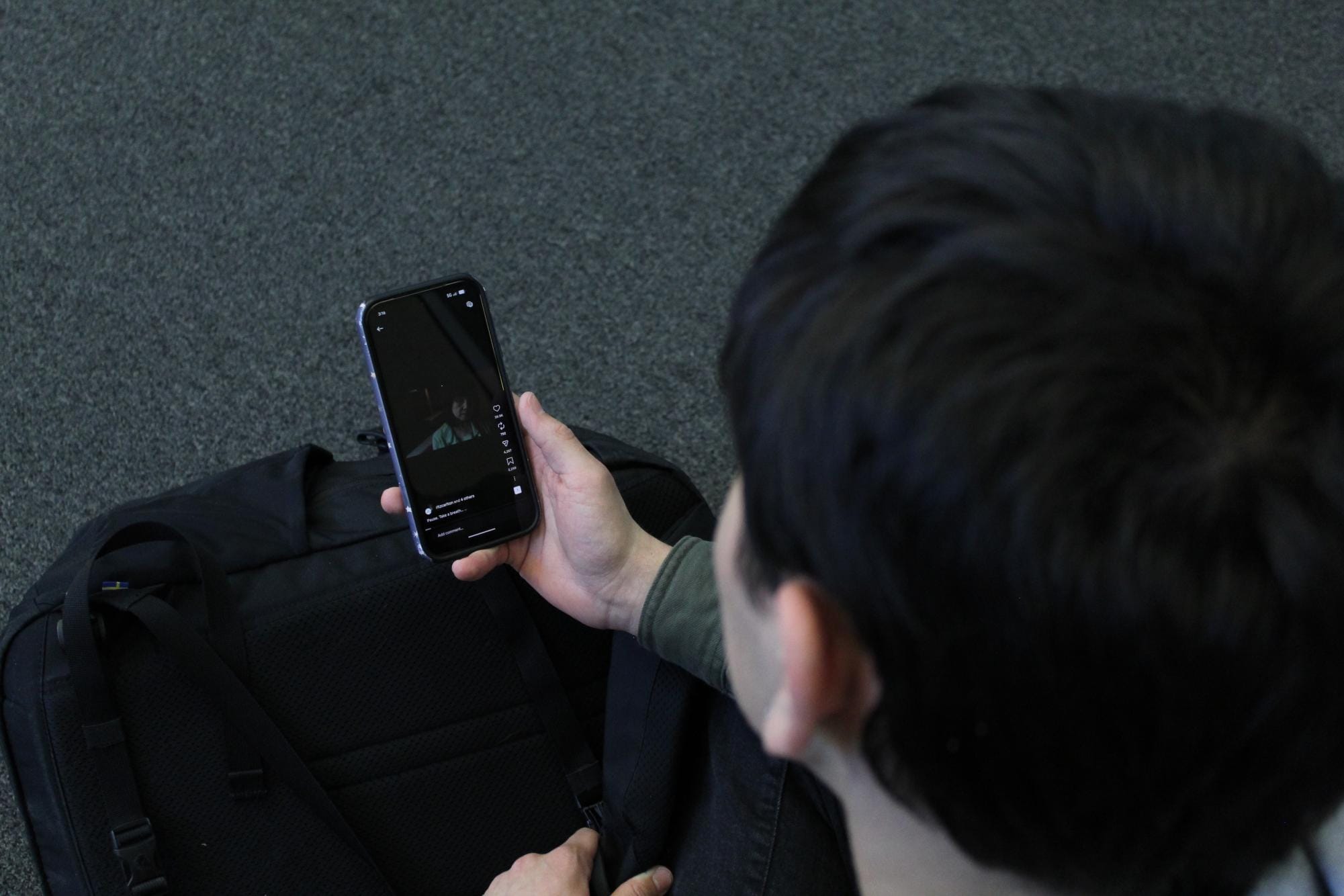
The first thing most people do when they wake up, without even realizing it, is reach for their phone. Notifications flood their screen, from Tiktok videos and Instagram reels to tabloids and movie trailers. Before the day has even begun, media has affected our mood and shaped the way we think, feel and even interact with others.
Today, information travels faster than ever. However, when it comes to social media, that isn’t necessarily a good thing. Media has been a preliminary cause of many insecurities, which has impacted the way many individuals, especially teens, feel about themselves.
Social media often creates unrealistic expectations for people. Many influencers tend to post day in the life videos or tutorials on how to have the most productive day. These videos show impossible productivity, which sets idealistic expectations. However, for students, this is not a practical lifestyle as they have homework, school and sports and cannot complete as much in one day as an influencer whose job is simply making those videos.
Additionally, social media promotes many unsustainable habits. This can include celebrities or influencers encouraging viewers to look and act a certain way which impacts how people view themselves and often triggers insecurities within themselves. This increases the amounts of social comparison, mental health issues, eating disorders and low self esteem levels. Those are just a couple examples of what social media encourages through influencers and celebrities promoting infeasible lifestyles and normalizing certain behaviors.
Social media also plays a major role in encouraging consumerism, especially when influencers constantly find ways to promote products and expensive brands across their videos. Along with brand and product promotions, social media is constantly filled with haul videos. These videos create an expectation for many people that they need to shop constantly to “fit in” to society.
Social media content and creators are constantly finding new ways to normalize unhealthy habits. This encourages people, especially teenagers, to constantly discover ways to change themselves to “fit” the standards that the media has established as “normal.”