





















Field trips have always been a highlight for students, or have they? The frequency of field trips is a hot topic of debate among high school students across our school. While many love a reason to get hands-on learning and be out of the school building, lots of our students believe there are several negative consequences. How many assignments will I have to make-up? What classes am I missing?
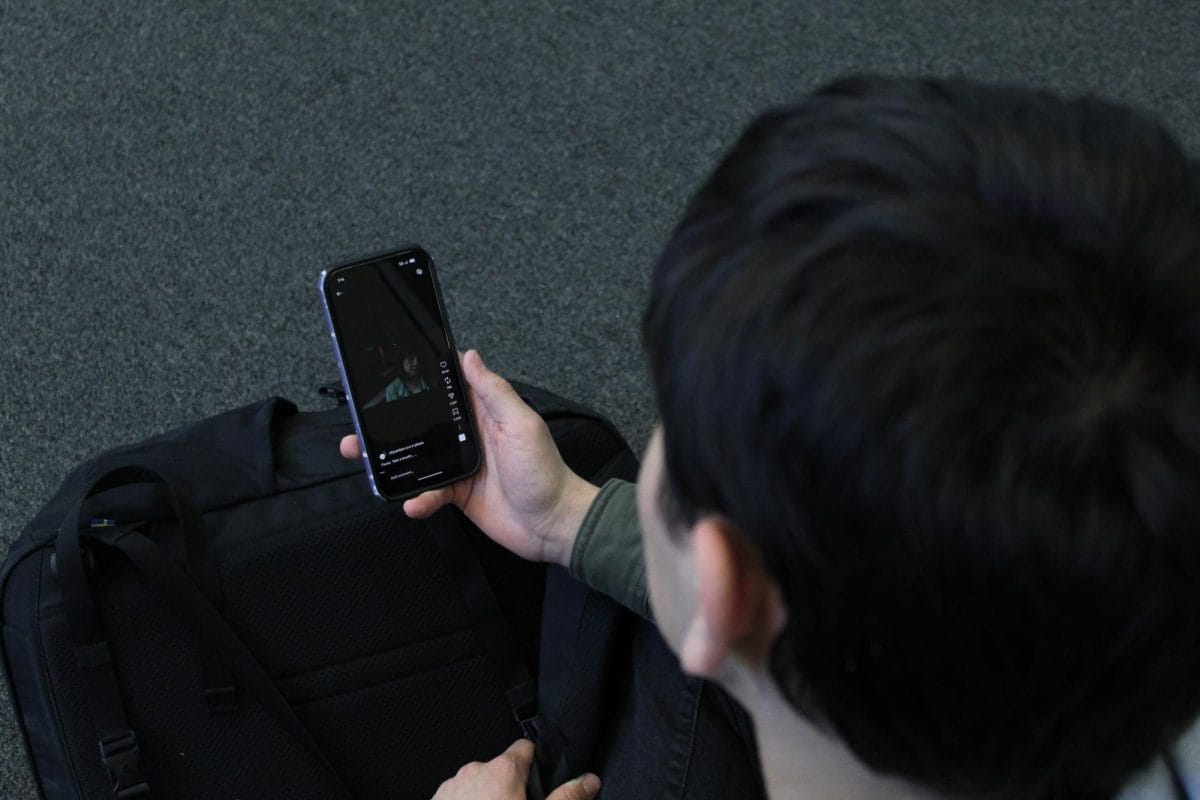
There are a variety of reasons why students dread field trips. But the biggest issue is the important classes that students miss, especially when the field trips are days long. Students are then forced to do the make-up work on their own time. On top of sports and after school extracurriculars, the accumulating work can be incredibly overwhelming.
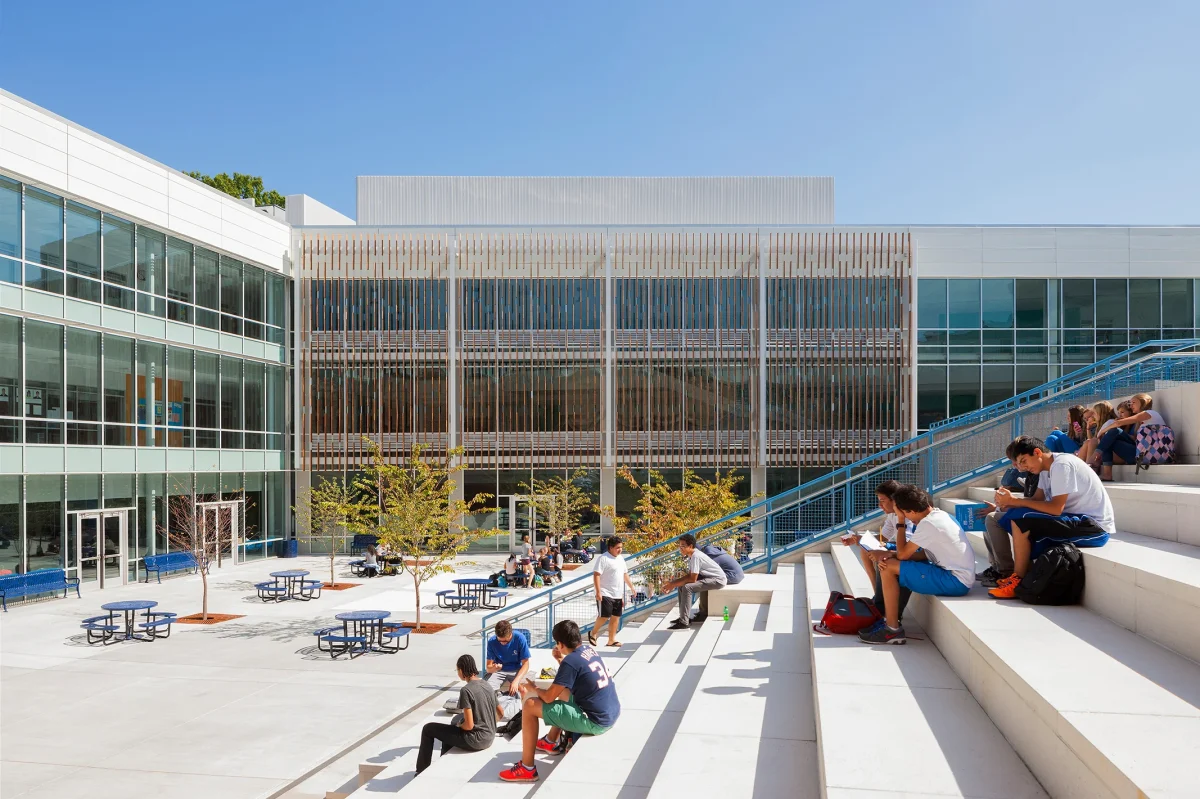
This is part of the reason why field trips are more commonly found in elementary school. With less homework and classwork, field trips are better suited for younger kids. They don’t have as many responsibilities as high schoolers, so missing work is not as much of a problem. Elementary and middle school students usually have less rigorous extracurricular commitments compared to highschoolers.
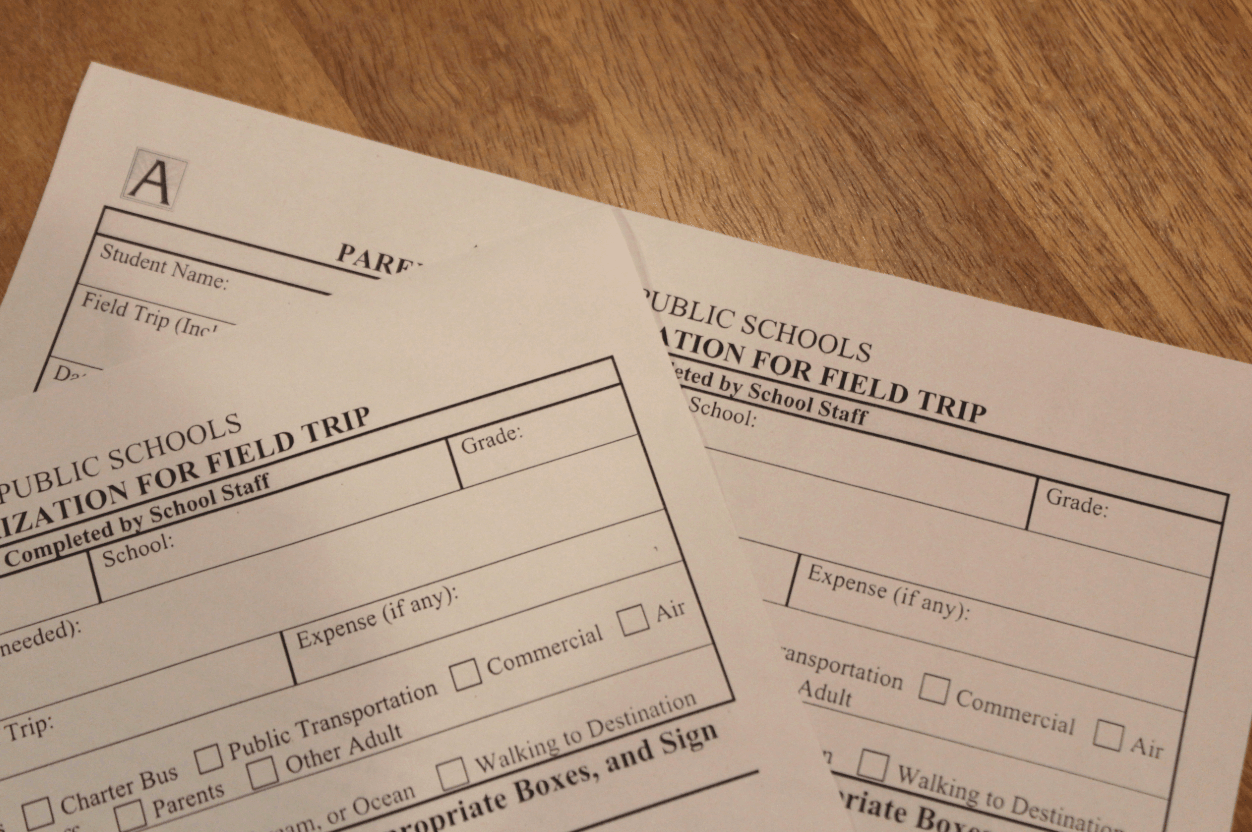
It’s not just the students that suffer. Another key issue with field trips is the tough planning required for teachers. They have to propose the idea to administration, complete paperwork, abide by curriculum, ensure safety, get parents and students to fill out the forms and acquire chaperones.
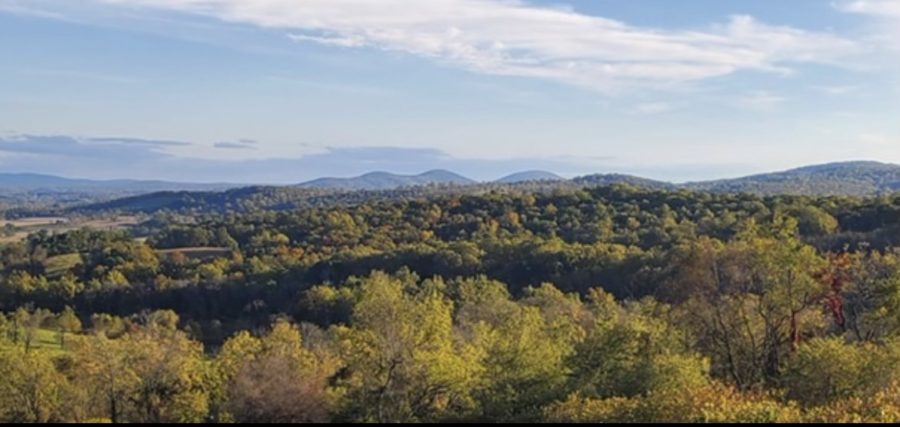
Earlier this school year, our school’s newspaper and life skills classes went on a combined field trip to the Outdoor Lab. The students had a fun-filled day of hiking, learning about nature, making s’mores and enjoying the day away from the stressful environment that high school can be.
However, when the students came back, they were hit with an unfortunate reality. They had missed a full day of work at school. That included tests, notes, and work that could not simply be made up at home. Even though the field trip was a part of school, students still had to do all of their work for every class. This amount of work could take multiple hours, even if split up over days. Even though the students had the most engaging learning they’ve had in a while, some on the trip found that they may have preferred to just be in class.
The idea that students and teachers now dread a day that is supposed to get them out of the classroom is a bit sad. Field trips are designed to be an unconventional but fun way of learning. Yet, students drag their feet and voice their complaints and stress about field trip days. While falling behind in classes can be a big deal, some believe students need days like this, including our school’s principal Dr. Kevin Clark.
“We get a lot out of those types of activities,” Clark said.
Field trips are the best way for a student to decompress and have a fun time during the school week. If schools allocated more time for field trip makeup work and made teacher planning easier, everyone could finally enjoy these days without repercussions. Most importantly, our students would be able to fully appreciate a break from the classroom.