





















We’re halfway through the first year with Yondr pouches, and it’s time for a check-in.
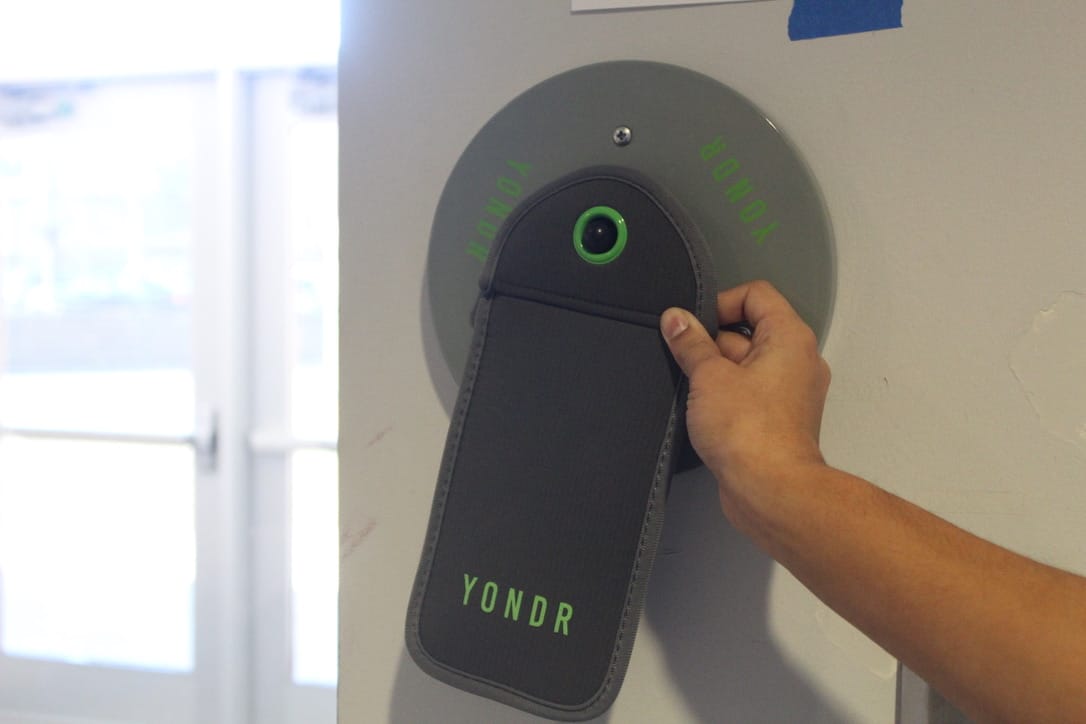
Yondr pouches were introduced to limit and prevent phone use in school by locking your phone in the pouch that can only be opened with a specialized magnet. The pouches were divisive from day one, with some arguing that students would find ways to get out of using them.
Students don’t necessarily have to use the pouches for them to be effective. Many of them don’t take their phones out to avoid being caught, leading to a decrease in phone usage and the indirect effectiveness of Yondr pouches.
“At the end of the day, are you taking [your phone] out in class? If not, we won,” assistant principal Laura Porter said.
Repeat offenders caught with their phones outside of their pouch are put on a list. The more violations a student has, the more extreme the consequences are. These punishments can range from a warning to having to turn in your phone at the start of every day. Likewise, consequences are more lenient for students without many infractions. The list carries over quarterly, but resets every school year, so you can start off with a clean slate. Otherwise, consequences for being caught with a phone in class are decided by teachers.
“Some teachers are comfortable collecting phones,” Porter said.
If a teacher is not comfortable confiscating a phone, they can call down to the office to send an admin or school security coordinator (SSC) who will come retrieve the phone instead.
As of January 20, 2026, security guards and admins have started checking students’ Yondr pouches at the door, along with student ID cards. If you do not have your assigned pouch, a replacement is available for $30.
Overall, the pouches seem to be working. There has been a decrease in phone usage during school hours. So far, the first year of this policy is showing promise.
“Students are a lot more engaged and focused in the classroom,” Porter said.